
South Africa's Property Market Cools as Borrowing Costs Dampen Demand
South Africa's house price growth is decelerating as elevated borrowing costs weigh on housing demand. Discover what this means for SA property investors.
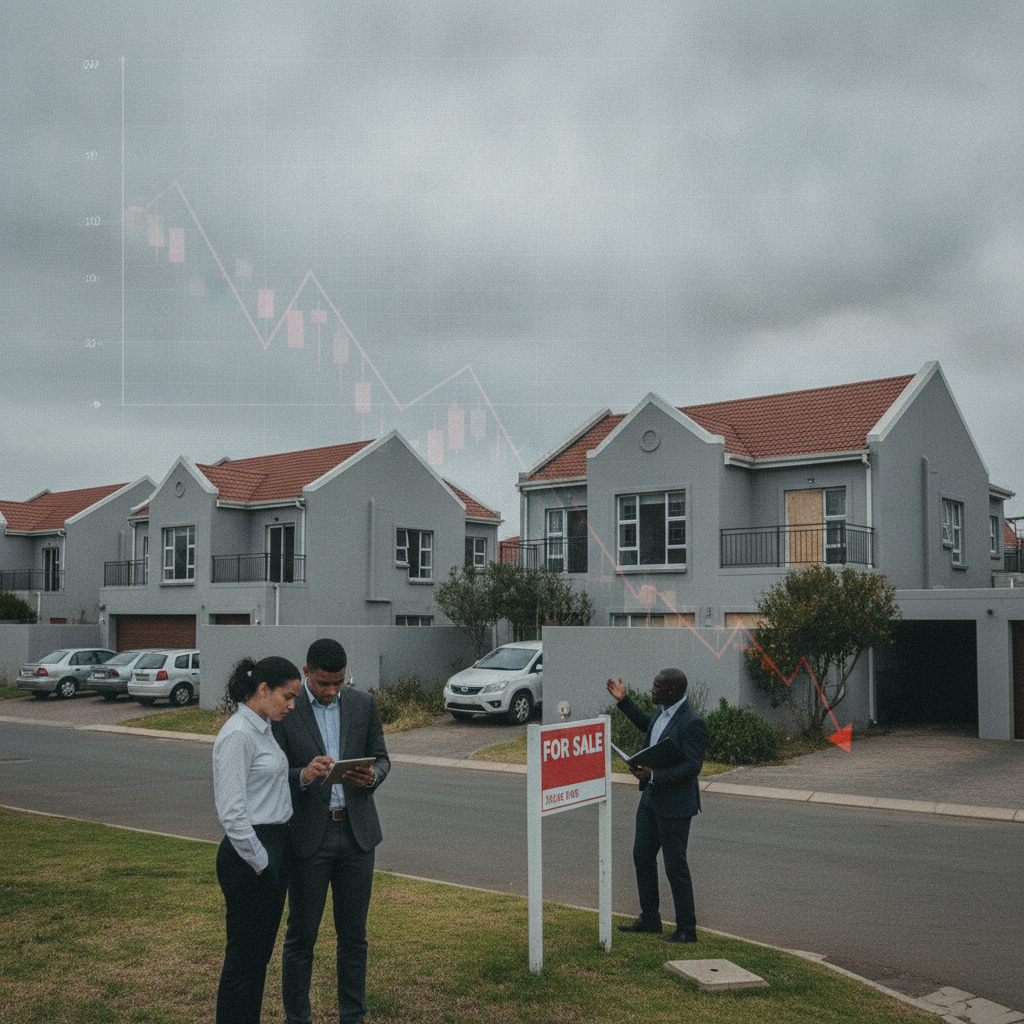
South Africa's residential property market is experiencing a notable deceleration in house price growth, a trend directly attributable to persistent high borrowing costs. As the South African Reserve Bank's hawkish stance on interest rates continues to impact affordability, prospective buyers are exercising greater caution, leading to a softer demand landscape across key urban centres and coastal regions. This shift signals a maturing market adjusting to economic realities, presenting both challenges and opportunities for investors.
Interest Rate Headwinds Suppress Growth
The slowdown is not a sudden collapse but a gradual cooling, with recent data indicating a consistent dip in the pace of appreciation. This moderation reflects a nationwide sentiment where elevated prime lending rates translate directly into higher monthly bond repayments, pushing homeownership beyond the reach of a significant portion of the buyer pool, particularly first-time entrants. For existing homeowners, rising costs of living further strain disposable income, limiting upgrades and new acquisitions. Major metros like Cape Town, Johannesburg, and Durban, typically resilient, are feeling the pinch, albeit with varying degrees of impact depending on specific market segments and property types. The coastal belt, which saw robust growth post-pandemic, is also witnessing a normalisation.Investor Outlook: Navigating a Shifting Landscape
While headline house price growth may be subdued, astute investors are looking beyond the aggregate figures. The current environment necessitates a more granular approach, identifying areas with intrinsic value and resilient rental demand. High interest rates, while dampening sales, often bolster the rental market as more individuals defer home purchases, creating a sustained demand for quality rental properties. This dynamic could pivot investment focus towards income-generating assets rather than purely capital appreciation plays in the short to medium term. Developers are also re-evaluating project pipelines, prioritising affordability and seeking innovative financing solutions to meet buyer needs.The South Africa Angle
ForMore from South Africa Property Chronicle
via Google News · SA property
3mRead →
via Google News · SA property
3mRead →
property8 Nov 2026
Cape Town's Luxury Market: A Scarcity Premium Takes Hold
via Google News · SA property
3mRead →