
Coastal Chasm: Cape Town's Rental Premium Nears Double Joburg's Amidst 12% Price Surge
Explore the widening gap in SA's property market as Cape Town rents near double Johannesburg's. Unpack the 12% price surge and its implications for investors.
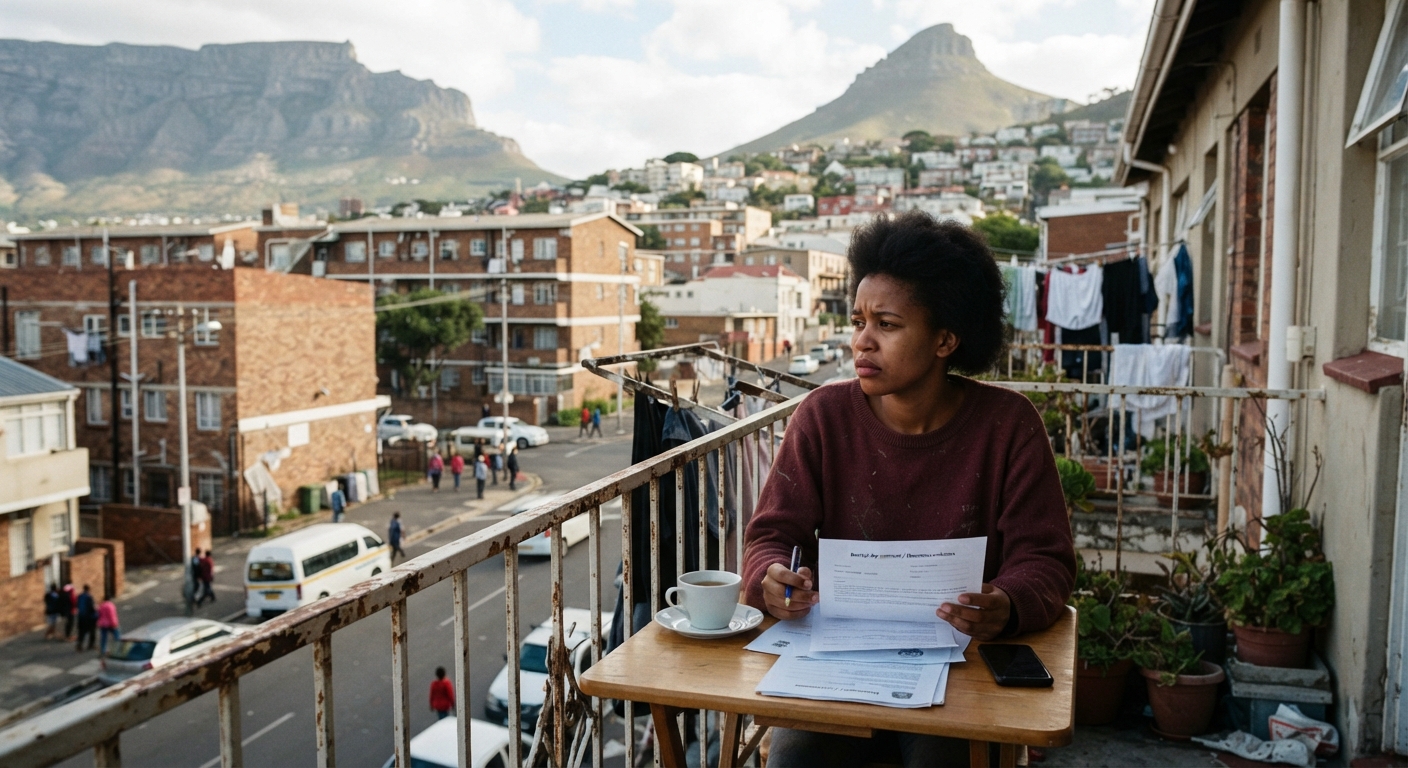
South Africa's property landscape is increasingly defined by stark regional disparities, none more pronounced than the widening chasm between Cape Town and Johannesburg. Recent data reveals that rental prices in the Mother City are now commanding nearly double those in Gauteng's economic heartland, a trend underpinned by a robust 12% jump in property values, particularly evident in the Western Cape. This significant divergence paints a compelling picture for investors and homeowners alike, signalling a maturing market with distinct provincial narratives.
The Widening Rental Divide
The 'lifestyle premium' associated with Cape Town has long been a talking point, but current rental statistics underscore its tangible impact. Factors such as persistent semigration from inland provinces, robust international appeal, and a comparatively constrained housing supply have collectively driven rental demand to unprecedented levels. For a typical two-bedroom apartment, tenants in desirable Cape Town precincts can expect to pay significantly more than their counterparts in comparable Johannesburg suburbs. This sustained demand is not merely a reflection of lifestyle choices but also points to strong economic activity and employment opportunities concentrated in the Western Cape, attracting a consistent influx of residents.
Property Price Momentum
Mirroring the robust rental market, Cape Town’s property values have surged, with a reported 12% increase adding further weight to its investment appeal. While national averages often mask regional nuances, this figure highlights the potent capital appreciation potential within the Mother City. This growth is fuelled by a confluence of factors: high demand from both primary residents and swallows, limited developable land, and a general perception of better municipal governance and infrastructure. For property owners, this translates to healthy equity gains, but for prospective buyers and renters, it escalates the affordability challenge.
The South Africa Angle
For the astute South African property investor and chronicler, these trends are more than just local headlines; they represent a critical indicator of national property dynamics. The Cape Town phenomenon underscores the powerful impact of semigration, a movement that is reshaping demand profiles not only in the Western Cape but potentially in other coastal hubs like Durban. While Johannesburg continues to offer competitive entry points and higher rental yields in some segments, the Western Cape’s consistent capital appreciation and rental premium demonstrate a clear flight to perceived quality and stability. This divergence necessitates a nuanced investment strategy, prompting consideration of long-term growth versus immediate yield, and encouraging an exploration of emerging coastal markets that may follow Cape Town’s trajectory. It also highlights the growing pressure on developers to address housing supply in high-demand areas to mitigate affordability crises.
Outlook: A Market in Flux
As South Africa's property market continues its post-pandemic evolution, the performance gap between its major metros is likely to remain a dominant theme. While Cape Town entrenches its position as a premium market with strong capital growth and rental income, Johannesburg continues to offer diverse opportunities, particularly for value-seeking investors. Understanding these distinct market characteristics is paramount for navigating the complexities of South Africa's dynamic property landscape. The question remains: how long can this rental and price chasm widen before market forces prompt a recalibration?
Source: Google News · SA property